The Role of Luck in Casino Games
Luck plays a pivotal role in the world of casinos, influencing outcomes in various gaming activities. For instance, when it comes to games like slots and roulette, players often find themselves at the mercy of chance. Each spin of the reels or roll of the ball is entirely random, meaning that no strategy can manipulate the results, unlike anonymous casinos where different dynamics may come into play. This randomness can be thrilling, as it introduces an element of surprise, and while players may strategize for fun, the underlying truth is that luck reigns supreme in these games.
Moreover, the concept of luck extends beyond mere chance; it is often intertwined with players’ perceptions and experiences. Many individuals believe in lucky numbers or rituals that they think enhance their odds of winning. While there is no scientific basis for these beliefs, they contribute to the excitement and allure of the casino environment. The psychological aspect of luck can lead to higher engagement and a more enjoyable experience, as players invest emotionally in the outcomes of their games.
In a broader sense, luck can significantly affect one’s long-term success in gambling. Statistically, some players may experience winning streaks purely through a favorable series of events, giving the illusion that their skills are superior. However, over time, the house always has an edge, and luck is, at best, a temporary advantage. As such, understanding the role of luck can help players set realistic expectations and enjoy their gaming experiences without overestimating their chances of winning.
The Importance of Skill in Strategy-Based Games
While luck is integral to many casino games, skill becomes a vital component in strategy-based games, such as poker and blackjack. In these games, players who possess a deeper understanding of the rules and strategies have a distinct advantage. For instance, blackjack players can employ techniques like card counting and strategic betting to increase their chances of winning significantly. This skill-based approach not only enhances the player’s experience but can also lead to consistent profits over time.
In poker, skill is paramount as players must read their opponents, manage their chips effectively, and make strategic decisions based on incomplete information. The game requires a blend of psychological acuity, mathematical skills, and an understanding of human behavior. Experienced players can often outperform novices, showcasing how skill can offset the element of luck. This dynamic creates a more competitive environment, as players continually seek to improve their skills and outmaneuver their opponents, making poker a game where both luck and skill intermingle.
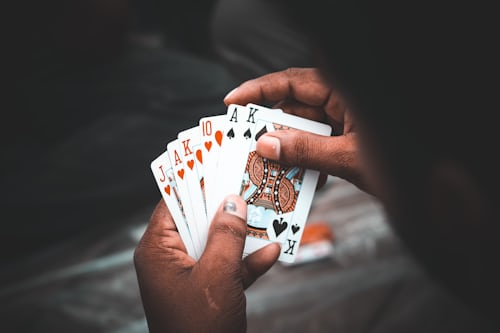
Furthermore, the importance of skill is not limited to individual games; it also affects overall gameplay in casinos. Skilled players tend to have better bankroll management techniques, allowing them to sustain their play longer and weather the inevitable losing streaks that come with gambling. This ability to manage their finances effectively can lead to more enjoyable and potentially profitable experiences in the casino, reinforcing the value of skill in a world often dominated by luck.
The Balance Between Luck and Skill
The interaction between luck and skill in casinos creates a fascinating balance that keeps players engaged. In several games, luck can determine the immediate outcome, but skill can influence long-term success. For example, a lucky streak in slot play may yield significant winnings, but consistently playing strategically in poker can produce a steady income. This blend of elements underscores the notion that both factors are essential for a fulfilling and potentially profitable gambling experience.
Gamblers often find themselves navigating this balance when deciding which games to play. Casual players may gravitate toward luck-based games for their simplicity and the excitement of potential wins with minimal effort. In contrast, those seeking a more calculated approach may choose games that emphasize skill, hoping to leverage their knowledge to secure victories. This decision-making process reflects not only individual preferences but also the diverse ecosystem of games available in casinos.
Ultimately, understanding the intricate relationship between luck and skill can help players tailor their gambling strategies. Recognizing that luck can be a fleeting and unpredictable ally allows gamblers to appreciate the value of skillful play. Consequently, they can make informed choices about which games to engage in, balancing their enjoyment of games of chance with the satisfaction derived from the mastery of strategy-based games.
Casino Dynamics and Player Experiences
Casinos are designed to create immersive experiences, combining both luck and skill in a captivating atmosphere. Understanding how these elements influence player experiences is crucial for both operators and participants. The allure of games driven by chance can attract a broad audience, while skill-based games tend to cultivate a more dedicated player base, eager for intellectual challenges and competitions against peers.
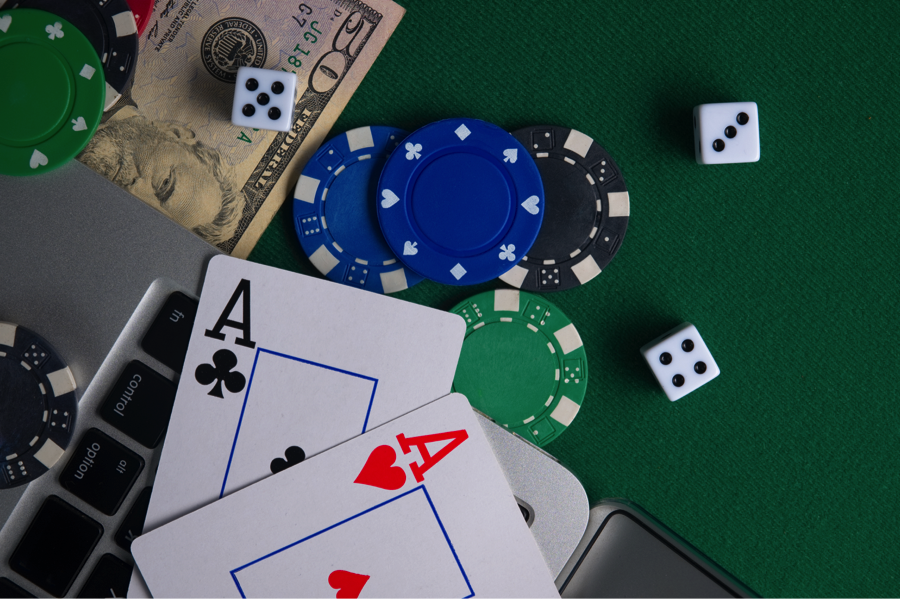
The casino environment itself often amplifies the impact of both luck and skill. For instance, the thrill of spinning a slot machine or the tension of a poker table can create a unique energy that enhances the gambling experience. Enthusiastic crowds at live tables can heighten the perception of luck, as winning hands or large payouts ignite excitement and camaraderie among players. Such dynamics demonstrate how social interaction in casinos further complicates the relationship between luck and skill.
Furthermore, casinos continuously adapt to changes in player preferences and trends. The rise of online gambling has introduced new ways for players to engage with luck and skill. Online platforms often feature various games that cater to both casual and strategic players, expanding access to an even broader audience. As technology evolves, the integration of luck and skill will likely continue to shape the future of casino gaming, offering new opportunities for engagement and enjoyment.
Conclusion and Insights on Casino Culture
The world of casinos is a complex interplay of luck and skill, each playing a vital role in the gaming landscape. Players must recognize that while luck can lead to immediate wins, skill is often what sustains success over time. Understanding this dynamic can enhance the overall gaming experience, allowing individuals to set realistic expectations and enjoy their time at the casino without undue stress or disappointment.
As players continue to explore the myriad games offered in casinos, their appreciation for the balance between luck and skill will deepen, enriching their experiences. This balance not only defines the nature of gambling but also fosters a culture of continuous learning and adaptation. With this knowledge, players can approach their favorite games with a renewed perspective, finding joy in both the thrill of chance and the challenge of skill.
Whether you are a casual player seeking fun or a strategic gambler aiming for consistent success, understanding how luck and skill influence your experiences can be invaluable. In doing so, you can navigate the exhilarating world of casinos with confidence, making informed decisions that enhance your time spent on the gaming floor. Embrace the adventure, and find your place where luck meets skill in the captivating realm of casinos.