The thrill of uncertainty
The allure of gambling lies heavily in the uncertainty that surrounds it. Humans are naturally drawn to situations where the outcome is unpredictable, as this taps into our innate sense of adventure and risk-taking. In many cases, players seek platforms like australian online casino to enhance their gaming experience, where the excitement generated from not knowing whether you will win or lose stimulates the brain’s reward system. It releases dopamine, the feel-good neurotransmitter, which is why even the thought of a potential win can ignite enthusiasm and adrenaline. This element of surprise keeps players returning to the gaming table, eager to experience that rush once more.
This unpredictability plays into the psychological concept known as the “near-miss effect.” When players come close to winning—such as rolling a near-winning combination in slots—they often feel that victory is just around the corner. This perceived proximity enhances the thrill and motivates them to play longer in hopes of achieving that elusive big win. The brain interprets these near-misses not as failures but as signs that success is attainable, which keeps the cycle of gambling engaging and addictive.
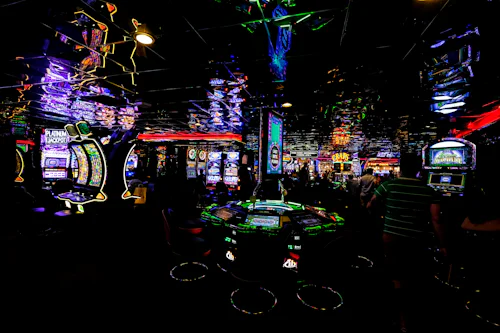
Additionally, the environment of the casino contributes to this thrill. The bright lights, sounds of coins, and the hustle and bustle create an immersive experience that amplifies the excitement of uncertainty. Each game is designed to heighten anticipation, encouraging players to become emotionally invested in their outcomes. These elements collectively create a perfect storm for why individuals are drawn to gamble; it’s the mix of social interaction, the possibility of winning, and the thrill of the unknown.
The influence of social dynamics
Gambling is often more than just an individual pursuit; it’s a social activity that thrives in a communal atmosphere. Casinos are designed to foster social interaction, offering players the opportunity to connect with both friends and strangers. This social aspect plays a significant role in why many individuals enjoy gambling. The shared experience can convert a simple game into a lively event, where camaraderie and competition blend, enhancing the overall excitement. Players often find themselves cheering for one another, creating an environment filled with energy and engagement.
Moreover, the presence of fellow gamblers can elevate emotions and decision-making. Studies have shown that people are more likely to participate in riskier bets in a group setting, a phenomenon known as herd behavior. In a casino, individuals may be swayed by the enthusiasm of others, leading them to gamble larger amounts or take greater risks than they would alone. This dynamic can not only amplify the thrill of the game but can also create a sense of belonging and community, reinforcing the enjoyment of the gambling experience.
The social dynamics of gambling also include forming relationships with staff and other players. Regular visitors to casinos often develop rapport with dealers and staff members, creating a sense of familiarity and comfort. This can lead to a more enjoyable experience, as players feel valued and recognized. Enhanced engagement through social connections can lead to longer gaming sessions and a deeper emotional investment in the outcome, further explaining the psychological draw of casinos.
The desire for escapism
For many, gambling serves as an escape from the pressures of daily life. The casino environment provides a temporary refuge where individuals can forget their worries and immerse themselves in the thrill of the game. This desire for escapism is deeply rooted in human psychology, as people often seek out experiences that transport them away from reality, even if just for a short while. The vibrant atmosphere filled with excitement acts as a distraction from everyday stressors, offering a chance to indulge in fantasy and adventure.
This need for escapism is further enhanced by the sensory-stimulating environment of casinos. Bright lights, captivating sounds, and the vibrant energy of the crowd create a unique atmosphere that can transport individuals to a different world. Engaging in gambling activities allows players to focus solely on the game at hand, momentarily disconnecting from their responsibilities and anxieties. This psychological relief can be addictive, as players spend more time in this thrilling world, often leading them to return for repeated ‘escapes’ from reality.
Additionally, gambling is often associated with a promise of significant rewards. The potential for a life-changing win can be incredibly appealing, fueling the desire to take that leap of faith. Players not only gamble with money but also with their hopes and dreams of a better life, which can make the experience even more profound. This intertwining of escapism and the allure of potential rewards drives many to the doors of casinos, seeking both a thrilling experience and a momentary respite from their lives.
The brain’s reward system and addiction
The psychology behind gambling is intricately tied to the brain’s reward system, which drives our behavior towards pleasurable experiences. When individuals gamble, especially when they win, the brain releases dopamine, providing a euphoric sensation that reinforces the behavior. This chemical reaction can create a cycle of addiction, where the pursuit of that high becomes increasingly necessary for satisfaction. Over time, players may find themselves chasing losses or playing longer to feel that dopamine rush, sometimes leading to detrimental financial consequences.

Moreover, the design of casino games often exploits this reward mechanism. Features such as variable rewards in slot machines—where the player wins unpredictably—can lead to stronger reactions than steady wins. This unpredictability can cause the brain to associate gambling with excitement, keeping players engaged longer than intended. The anticipation of winning, combined with the immediate gratification of a win, makes it challenging for players to walk away. This intricate dance between reward and risk lies at the heart of why casinos are so captivating.
Understanding the neuroscience behind gambling can shed light on responsible gaming practices. While the thrill of gambling can be enjoyable, awareness of the underlying psychological mechanisms can help individuals maintain balance. Recognizing the signs of addiction and practicing self-control are essential for cultivating a healthy relationship with gambling. Casinos have also recognized this need, often providing resources and information to promote responsible gaming, ensuring that the thrill doesn’t come at a steep personal cost.
Explore more insights on gambling psychology
For those intrigued by the psychological facets of gambling, understanding the motivations behind casino visits can offer profound insights. The blend of thrill, social interaction, and the allure of potential rewards creates a compelling narrative that pulls individuals into the world of gambling. Whether one is a casual visitor or a frequent player, reflecting on these psychological influences can enhance the experience and lead to more mindful engagement with gaming activities.
Additionally, exploring the science and strategies involved in gambling can provide players with a deeper appreciation of the games and their nuances. Understanding the odds, the impact of psychology, and responsible gaming practices can empower individuals to make informed decisions. This approach not only enriches the gambling experience but also fosters a healthier relationship with the activity.
Ultimately, the world of casinos is a fascinating intersection of psychology and entertainment. It invites players to explore the depths of their emotions, motivations, and desires. By embracing the complexities of gambling, individuals can gain clarity and insight into their experiences, allowing them to navigate the thrilling yet intricate landscape of casino gaming responsibly.